DOES BREED IMPACT ON A DOGS BEHAVIOR

By Nicole Pajer

Over the years, domestic dogs have been bred to showcase certain appearances. Through this process of selective breeding, a variety of breeds —from the tiny Chihuahua to the towering Great Dane — have been created. According to a recent study, selective breeding of domestic dogs not only alters the way a dog physically looks, but also drives major internal changes in canine brain structure. Scientists from the University of New South Wales and the University of Sydney conducted a one-of-a-kind study, which revealed that in the process of breeding domestic dogs, the position of the canine skull has shifted as well. This is a result of humans selectively breeding for different skull lengths to create various breeds. To determine this, Michael Valenzuela from the University of New South Wales and a team of researchers performed MRI scans on the brains of two English springer spaniels, as well as eleven euthanized dogs, which were donated to the study by a local pound. The batch of donated dogs included a range of breeds, such as an Akita cross, mastiff cross, Staffordshire bull terrier, Shih Tzu cross, greyhound, Maltese, Jack Russell terrier, Australian cattle dog, and a pit bull mix. The MRI brain scans revealed that the dogs with the shortest skulls — the Shih Tzu cross, pit bull mix, and Akita — showed a significant reorganization of the location of the brain through breeding. In these short-snouted breeds, the cerebral hemispheres of the brain were rotated forward by up to 15 degrees. In addition, the brain’s olfactory lobes, which work to process smell, had shifted position in these breeds, moving from the front to near the back of the skull. According to Valenzuela and his team, the brains of these short-snouted dogs do not sit inside the skull cavity in the same manner as the brains of longer nosed dogs, whose brains appear to be closer to those of the domestic dog’s early wolf ancestors. Valenzuela says the study reveals “strong and independent correlations between the size and shape of a dog's skull, brain rotation and the positioning of the olfactory lobe. As a dog's head or skull shape becomes foreshortened — more pug-like — the brain rotates forward and the smell centre of the brain drifts further down to the lowest position in the skull.” The study’s co-author, University of Sydney associate professor Paul McGreevy, stated that the study’s findings strongly suggest that one dog’s world of smell may be very different than another’s, and that this change alone could affect how domesticated dogs perceive their environments. The authors noted that this might in fact alter a dog’s personality and behavior, and they encourage people to be responsible when selectively breeding dogs. Valenzuela and McGreevy plan to conduct future research as to how exactly these changes in canine brain positioning affect a dog’s brain function and what the impact is on its behavior. Read more: http://www.cesarsway.com/training/socialization/Does-Breeding-Impact-a-Dogs-Behavior#ixzz38utBT26Q

WHAT DO ALL THE REPUTABLE ANIMAL ORGANISATIONS THINK ABOUT BSL?


Q. What position do the leading animal-related organizations take on BSL? All of the following national organizations oppose BSL: American Animal Hospital Association, American Dog Owner's Association, American Humane Association, American Kennel Club, American Society for the Prevention of Cruelty to Animals, American Veterinary Medical Association, Association of Pet Dog Trainers, Best Friends Animal Society, Canadian Kennel Club, Humane Society of the United States, International Association of Canine Professionals, National Animal Control Association, National Animal Interest Alliance, and National Association of Obedience Instructors. In addition, many state and local-level veterinary medical associations and humane organizations oppose BSL. - See more at: http://nationalcanineresearchcouncil.com/dog-legislation/breed-specific-legislation-bsl-faq/#sthash.2jYRPnMe.dpuf


BREED SPECIFIC Legislation was dealt a savage blow last week in an historic victory for American campaigners when the Supreme Court in Alabama ruled that there was no genetic evidence that one breed of dog was more dangerous than another, simply because of its breed. Around the world, anti-BSL campaigners are rejoicing at the ruling that drew on evidence provided by genuine canine experts, which was favoured by the judges over subjective evidence, put forward by veterinarians and politicians. The court ruling and the evidence used may now be legitimately used to fight BSL in other countries such as Germany and Australia, as well as other US States. In the UK, the Dangerous Dogs Act could possibly be open to a direct legal challenge in the same way. The action in Alabama was brought by the Washington Animal Foundation (WAF) against the city of Huntsville, which had claimed that American Pit Bull Terriers were ‘genetically dangerous’. The case centered on four Pit Bulls held in an animal shelter and adopted by three local women. The dogs were survivors of a group of over 50 Pit Bulls seized in a raid on a dog-fighting ring in April 2000. Half of the dogs died from injuries or disease, whilst the reminder –including four puppies - were held at the City pound and put up for adoption. Shelia Tack, an emergency room nurse at Crestwood Hospital, adopted two of the puppies that she named Justice and Elizabeth. Whilst they remained impounded, she visited them twice a week. The other puppies, David and Nellie, were adopted by Kay Nagel, a military officer’s wife and resident of Redstone Arsenal, and Loyce Fisher, a civil service worker from Cullman. However, the City Council refused to release the dogs, stating that they were a potential danger to human beings, although none had apparently displayed any aggression. The matter was referred to court for a legal decision on the dogs’ fate. During a hearing last year, lawyers representing the city, Michael Fees and Greg Burgess, told Madison County Circuit Judge Joe Battle the animals were vicious and should not be rehomed. The Women, who did not have a lawyer, argued the animals were never trained to fight and conditioning can suppress any vicious tendencies the dogs might have. Judge Battle agreed and on Nov 13 2001, declared the four young Pit Bulls were not dangerous because they were never trained to fight. The court allowed the city to destroy 21 adult Pit Bulls which had been used for fighting. However, the City appealed Battle's ruling to the Alabama Supreme Court and asked the court for an order preventing the women from taking custody of the dogs. At this point, Seattle-based WAF became involved in the case and appointed Huntsville lawyer Mike Seibert to fight their case, based on evidence they gathered to counter the City lawyer’s claims that all Pit Bulls were ‘genetically dangerous’. The foundation hired veterinarian Dr. Alan Jones of Hazel Green to examine the dogs. But the officers at the shelter do not allow anyone to have physical contact with the pit bulls, even vet Jones. "They looked fat and happy," he said. "They seemed starved for attention and not aggressive at all" Glen Bui, spokesman for WAF told a local newspaper that the dogs should be released. "I believe that the City of Huntsville is wasting thousands of taxpayers' dollars attempting to destroy innocent dogs that were already given by the circuit court to the three women,' he said. WAF filed an Amicus (third party) submitting genetic proof that Pit Bulls are not dangerous. The city of Huntsville were backed by the extremist animal rights organisation PETA that Pit Bulls were genetically dangerous, with evidence provided by veterinarians, none of whom was an expert in any specific canine or genetical field. WAF cited case laws under Due Process of the law, and stated that it was unconstitutional to rule a specific breed of dog as ‘dangerous’ in this way. They also claimed it was ‘genocide’ to try to eradicate the Pit Bull breed. WAF submitted evidence to the Supreme Court that they were able to provide: Identification of expert treatises regarding the genetics of the breed in question Testing and studies regarding genetics verses environment as the catalyst for a specific dog breed’s aggression Social contributions made by the American Pit Bull Terrier (i.e. as Assistance Dogs, Search and Rescue Dogs etc.) The associations brief assisted the court as it had substantial knowledge concerning the issue before the court The briefs filed by the City were insufficient to adequately address the far reaching issues involving genetic breed bias The Foundation read all briefs and believed that innocent pet owners and innocent pets were not represented by either brief. WAF co-founder Glen Bui told OUR DOGS this week: “The court granted WAF's petition and allowed us 7 days to file amicus curiae. Myself along with Attorney Mike Seibert worked on the amicus long hours into the night, while WAF members Kay Nagel and Sheila Tack proofread and added input. It was finished with less than one hour before the deadline to file and Shelia raced to the US post office and sent it certified mail. ”Huntsville's entire case rested on affidavits from veterinarians claiming they examined the four Pit Bull pups and that were would pose a danger to the community because Pit Bulls are genetically dangerous. They also claimed the women had no legal right to adopt the pups, this was also addressed in the amicus brief.” On Friday, August 30, the Supreme Court ruled 7-2 in WAF’s favour and ordered that the dogs should be released for adoption, accepting the evidence put forward by WAF that no breed of dog is genetically dangerous. “This is fantastic news,” said Bui. “The city could appeal against the ruling, but I’d like to think they’ll give way and release the dogs to their new owners so that they can enjoy a good life. Two of them will be trained as Search and Rescue Dogs; the other two will become pets. The Pit Bulls have been evaluated and temperament tested before they are released, they are being spayed and neutered. The city did tell the media that the dogs would be released, so let’s hope they keep their word.” Bui also told OUR DOGS this week: "For years the American Pit Bull Terrier has been alleged to be dangerous because of its genetics. Never has WAF found any genetic research proving that. When we were asked by three Huntsville women for help, they told us nobody else would help them, they had contacted everyone who fights BSL. We knew the women had to face the Supreme Court and this was a very serious case. We knew we had the genetic proof that no breed of dog is dangerous. “We knew we also had statistics which proved the APBT has one of the best temperaments out of 185 dog breeds along with a strong legal defence. Being aware that never in the past had anyone ever argued the point, after contemplating the outcome if the women lost, I decided to bring WAF into the case, on the last day before the deadline for filing briefs in the Supreme Court WAF petitioned for Amicus Curiae. ”This case set a standard for future cases concerning BSL and genetics. We put several years of research into genetics and due process. We will use the statistics in Ohio; we have received assistance from state agencies in Ohio to investigate the Lucas County Dog Warden rulings on BSL in that State, as Ohio is totally BSL-controlled. Dog owners in Ohio really could use support right now. ”It was a long battle and now we have proved the American Pit Bull terrier is not genetically dangerous.” © Nick Mays/Our Dogs Newspaper, 2002

DOG BREED IDENTIFICATION 

 What kind of dog is that? “Mom always said I have my father’s ears.” While many people like to know “What kind of dog is that?” just to satisfy their curiosity, dog breed designations have also been used in an attempt to predict future behavior, match pets to families, find lost dogs, and even to restrict the ownership of certain types of dogs. Dogs come in all shapes and sizes, and frequently without pedigrees to describe their heritage. The breeds of dogs with unknown or mixed-breed lineages are frequently guessed based on their physical appearance, but it is not known how accurate these visual breed assessments are. We conducted a national survey of dog experts to compare their best guesses for the breeds of dogs in a series of photographs. These visual assessments were compared to DNA breed profiles for the dogs. More than 5,000 dog experts, including breeders, trainers, groomers, veterinarians, shelter staff, rescuers, and others completed the survey. You are invited to view pictures of the 100 dogs in our study, their actual DNA breed results, and what our survey responders guessed their breeds were. See the results >> This study is being conducted by Dr. Julie Levy with the assistance of Merial Veterinary Scholar Kathleen Croy and is made possible by a grant from the National Canine Research Council. Tagged as: breed, canine, DNA, dog, dogs, research, survey


BREED ID FLAWED

Another important flaw with breed specific laws is breed identification. There are a minimum of twenty (20) dog breeds that possess the physical traits of 'pit bulls.' The "Find the Pit Bull" game is an excellent tool to demonstrate the difficulty of identifying 'pit bulls." Most animal control and/or law enforcement officers are not able to identify specific breeds of dogs with any degree of accuracy because the commonly stated physical characteristics are similar in many breeds. Breed bans carry with them too much potential for arbitrary or improper enforcement: inaccurate breed identification by officials and difficulty enforcing breed bans against mixed-breed. Because breed identification by animal control officers is subjective and/or arbitrary, it opens the city to liability and litigation issues in the event of mistaken identification.

ANTI BSL 

Stereotyping “Bully breeds” sometimes become aggressive dogs because people treat them like aggressive dogs. Gang members, for example, are attracted to pit bulls because of their status as a vicious dog, and these types of people tend to treat (or neglect) their dogs in a way that generates aggression. BSL, a legal form of stereotyping, actually increases the problems it was designed to fight. Owners of banned or heavily regulated dogs may hide them instead of giving them up. These “underground” dogs are then denied basic veterinary care, exercise, and socialization and are in turn more likely to become aggressive. New research by Bristol University shows that aggressive behavior has almost nothing to do with dog breed and everything to do with their past and present caretakers. (There were a few slight correlations between breed and certain types of aggression, but these didn’t pertain to stereotypical “bully breeds.”) Cesar Millan agrees with these findings. While promoting his new show, “Cesar Millan: Love My Pit Bull,” the host boldly compared euthanizing pit bulls to genocide. He has a point! Despite the Bristol University study and earlier research showing that breed specific legislation (BSL) is counterproductive, landlords and legislators continue to penalize stereotypically vicious dogs and their owners. Shelters are overrun with pit bulls and other breeds thought to be aggressive, but pet parents who might otherwise consider adopting a “bully breed” are intimidated by all the red tape involved in owning one. Instead of making judgments about a dog based on its breed, perhaps we should look at their owners and ownership history. The following human behaviors are linked to dog aggression, but just like humans, most problem dogs can be rehabilitated to transform into their best selves.


PITBULLS WHY THE BAD RAP?AND

Why the Bad Rap? Sadly, the pit bull has acquired a reputation as an unpredictable and dangerous menace. His intimidating appearance has made him attractive to people looking for a macho status symbol, and this popularity has encouraged unscrupulous breeders to produce puppies without maintaining the pit bull’s typical good nature with people. To make matters worse, irresponsible owners interested in presenting a tough image often encourage their pit bulls to behave aggressively. If a pit bull does bite, he’s far more likely to inflict serious injuries than most other breeds, simply because of his size and strength. A pit bull bite is also far more likely to draw media attention. Many dogs of other breeds bite people, but these incidents almost always go unreported. They’re just not exciting enough fodder for television and print. Despite this bad rap, a well-bred, well-socialized and well-trained pit bull is one of the most delightful, intelligent and gentle dogs imaginable. It is truly a shame that the media continues to portray such a warped image of this beautiful, loyal and affectionate breed. Pit bulls once enjoyed a wonderful reputation. Some of the most famous dogs in American history were pit bulls. A pit bull named Stubby, a decorated hero during World War One, earned several medals and was even honored at the White House. During duty, he warned soldiers of gas attacks, found wounded men in need of help and listened for oncoming artillery rounds. Pit bulls have been featured in well-known advertising campaigns for companies such as Levis, Buster Brown Shoes and Wells Fargo. The image of a pit bull, which was considered a symbol of unflagging bravery and reliability, represented the United States on recruiting and propaganda posters during World War One. Many famous figures, including Helen Keller, President Theodore Roosevelt, General George Patton, President Woodrow Wilson, Fred Astaire and Humphrey Bogart, shared their lives and homes with pit bulls. Modern pit bulls can still be ambassadors for their breed. Some are registered therapy dogs and spend time visiting hospitals and nursing homes. Some work in search-and-rescue. Tahoe, Cheyenne and Dakota, three search-and-rescue pit bulls from Sacramento, California, worked tirelessly at the World Trade Center during the aftermath of 9/11. Others, like Popsicle, an accomplished U.S. customs dog, work in narcotics and explosives detection. Still others serve as protection or sentry dogs for the police. The majority are cherished family members. Pit bulls become very attached to their people, and most love nothing better than cuddling on the couch or sleeping in bed with their pet parents (preferably under the covers)!

PITBULLS SUMMING IT UP

Summing It All Up Pit bulls aren’t all bad. They’re not ferocious beasts to be feared and reviled. Pit bulls aren’t all good either. They have teeth and the potential to use them, just like any other dog. Their powerful bodies and persistent nature make them formidable animals. As such, they should be treated with care and respect. They require a great deal of exercise, proper training and responsible management. But if you’re willing to devote the time and effort necessary, befriending a pit bull can be immensely rewarding. Along with their strength and spirit comes an inspiring zest for life and an ardent affinity for people. As any committed pit bull parent will tell you, beneath the brawn, most are faithful, fun-loving, affectionate companions. So before you make up your mind about them, get to know a few pit bulls. You may be surprised. Recommended Reading and Web Sites Great Books The Ultimate American Pit Bull Terrier by Jacqueline O’Neil (IDG Books Worldwide) The Pit Bull Placebo by Karen Delise (Anubis Publishing) Useful Web Sites www.pbrc.net: Pit Bull Rescue Central is a virtual shelter and educational resource for pit bull parents, foster parents and breed enthusiasts. www.badrap.org: This site was created by a group called BAD RAP (Bay Area Doglovers Responsible About Pit Bulls). It offers breed-related information, lists pro

THE TRUTH ABOUT PITBULLS

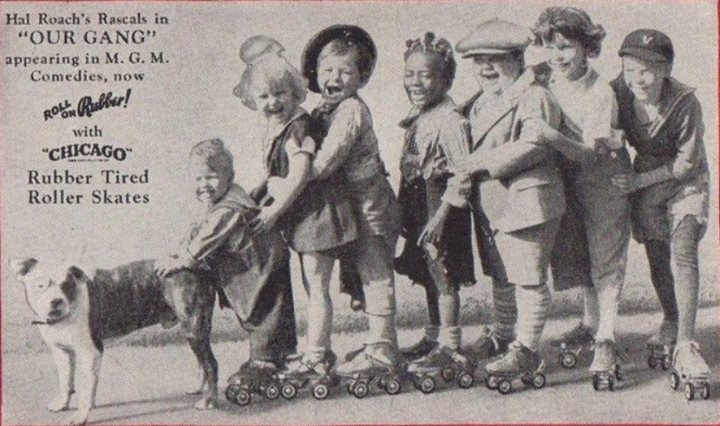
 Pit Bulls are not the stereotypical devil dog put forth in media myths. They are companion animals who have enhanced the lives of many through their devoted people-loving natures, positively channeled physical prowess, bravery, and intelligence. Pit Bulls have served key roles in search-and-rescue efforts, excel in agility training, and work nationwide as therapy and service dogs. Famous Pit Bulls include Petey in "Our Gang/Little Rascals" film series and an American poster mascot during WWI. Pit Bulls have great physical and mental characteristics that make them excellent partners for responsible, active, and caring owners. These same outstanding qualities can also make them a little difficult to handle for people who don't have a lot of experience with dog ownership. Obedience Classes are strongly recommended for this breed. A well behaved and obedient Pit Bull will be a wonderful companion, and a great ambassador for an often misunderstood breed. Pit Bulls are very adaptable and will even do well in urban living, provided they have enough exercise or other positive outlets for their energy. Pit Bulls are strong, energetic, agile, and powerful dogs. They are also very resourceful and driven. "Determination" is one of their most notable traits… Whether it is escaping an inadequately fenced yard to go explore the neighborhood, or destroying your new couch when left home alone, or climbing into your lap to shower you with kisses! They just don't give up easily. Most Pit Bulls are very good with children. However, any dog must be supervised with children at all times. Like other active dogs, they need substantial daily exercise -- and depend on their owners to teach them good manners, such as not jumping. Owner responsibility is required for anyone getting any dog. Pit Bulls strive to take on the behaviors that their guardians instill in them, and their behavior is reflective of the care, training and socialization practices (or lack thereof) used by their owners. It is essential for owners to socialize and train their dogs so they are well-behaved with people of all ages and in public situations.